


Dear readers,
There is a particular kind of hope that comes with beginning something new. When we first envisioned NOUS Review, we did not set out to build a credential or a competition. We wanted to create a place where young people like us could take ideas seriously and be taken seriously in return. The conversations that sustain the humanities are patient, open and honest, carried out with rigor, compassion and curiosity. We believed that secondary-school students could join these conversations not as mere spectators but as participants. This inaugural issue is our attempt to show that they can, and to invite many more of them to try.
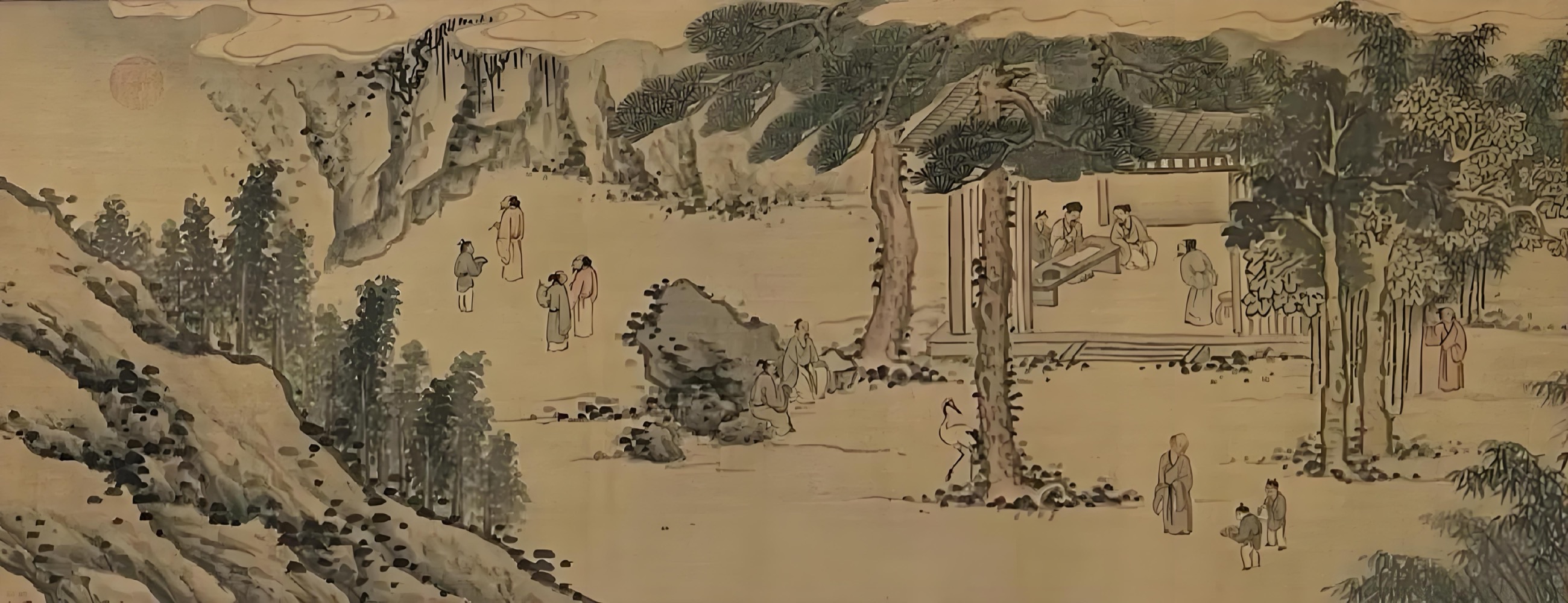
The essays gathered here were written in a climate that does not make such conversations easy. Artificial intelligence now writes fluently on almost any topic. Several of our authors took this as an occasion to ask what it means for a mind to understand, how language derives meaning, and how far our recognition of other minds should extend. Meanwhile, social media encourages us to present a finished, curated version of ourselves; pushing against this narrative, other essays consider how the self is actually formed through deep conversations, gender, and foundational bonds of a family. Political-wise, life has hardened into opposing camps, where a resurgent conservatism and nationalism have made many debates feel settled before they even begin. In response to these polarizations, several authors turned to the conditions of public life, from the duty to tell the truth to the difficulty of changing entrenched institutions, while others trace how art, film and literary culture, from Ming China to twentieth-century America, have decided who is heard and who remains unseen.
That these questions are being raised by high school students matters. Theirs is the first generation to grow up entirely inside social media and to come of age alongside generative AI, and it is often described as the passive subject of both. These essays suggest otherwise. Their authors prove themselves more capable of examining the forces that shape them, of holding competing views in tension, and of treating disagreement as the beginning of inquiry rather than the end of it.